A security team gets three alerts before 9:00 a.m. One mentions a disgruntled former employee. Another flags online chatter near a regional office. The third is a vague warning pulled from an automated feed. Without context, all three look urgent. With context, only one requires immediate escalation. That difference is the core of what threat intelligence is.
What is threat intelligence? It is the process of collecting, analyzing, validating, and distributing information about threats so decision-makers can act before an incident grows. It is not just data, and it is not just monitoring. Threat intelligence turns fragmented signals into operational awareness. For organizations responsible for employee safety, executive protection, workplace violence prevention, or incident response, that shift matters because speed without judgment can create noise, while judgment without timely information creates exposure.
What threat intelligence really means
At a basic level, threat intelligence helps answer four questions: What is happening, who or what is at risk, how credible is the threat, and what should happen next? Those questions sound simple, but they require more than a dashboard full of alerts.
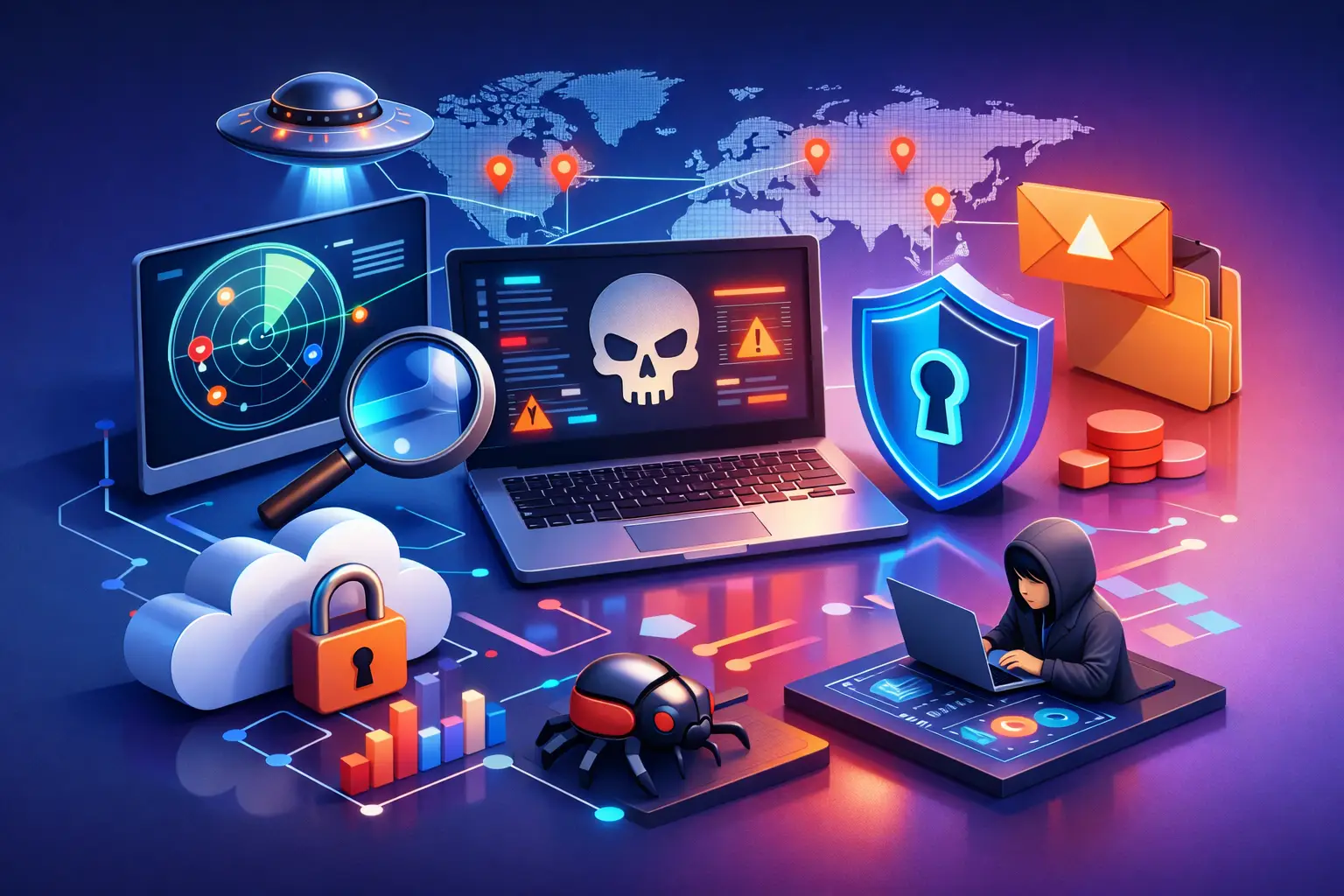
Raw threat data can come from many places – public sources, social platforms, incident reports, law enforcement bulletins, internal cases, geospatial feeds, travel risk updates, and direct tips. By itself, that information is uneven. Some of it is accurate. Some is outdated. Some is misleading. Some is too vague to support action.
Threat intelligence adds assessment. It applies analytical review, cross-checking, relevance, and priority. The result is a clearer operating picture that supports prevention, not just reaction. For a corporate security leader, that might mean identifying a credible threat to a facility. For an executive protection team, it might mean spotting protest activity, stalking behavior, or travel-related risk before movement begins. For HR or workplace safety leaders, it might mean recognizing indicators of potential violence early enough to intervene.
Threat intelligence is not the same as threat data
This distinction is where many organizations lose time. They buy access to more feeds, more notifications, and more automated triggers, then find themselves managing alert fatigue instead of reducing risk.
Data reports what was seen. Intelligence explains what it means. A post mentioning a company office may be irrelevant, sarcastic, or highly credible depending on the source, timing, known history, and supporting indicators. An intelligence process weighs those factors and assigns meaning.
That is also why purely automated systems have limits. Automation is useful for scale, speed, and pattern detection. But when the stakes involve human safety, reputational risk, or operational disruption, verification matters. False positives waste resources. False negatives are worse. The strongest programs combine technology with experienced analysis so security teams can act on signals that have been assessed, not just collected.
Why threat intelligence matters to physical security and business risk
Threat intelligence is often discussed through a cybersecurity lens, but for many organizations, physical and operational threats are just as urgent. Workplace violence, targeted harassment, protests, insider threats, executive exposure, travel disruption, and location-based incidents all require early awareness and disciplined response.
In practice, threat intelligence helps reduce the time between detection and decision. That can change outcomes. If a threatening message is linked to an employee with a known grievance, a prior incident, and proximity to a site, escalation can begin immediately. If social chatter about a demonstration is gaining traction near a headquarters location, security can adjust access control, staffing, and communications before crowds form. If an executive itinerary intersects with civil unrest or targeted online attention, protective measures can be tightened in advance.
The value is not just in knowing more. It is in knowing what matters soon enough to act.
What makes threat intelligence actionable
Useful intelligence has to be relevant, timely, and specific enough to support a decision. General awareness has value, but operational teams need more than broad warnings.
Actionable threat intelligence usually includes a clear threat description, source credibility, likely impact, location relevance, timing, and recommended next steps. It should also fit the needs of the audience receiving it. An analyst may need underlying details and confidence levels. A security director may need risk priority and response options. An executive may need a concise assessment with immediate implications.
This is where many reports fall short. They provide volume but not direction. A long stream of alerts without prioritization can slow response because teams still have to interpret what they are seeing under pressure.
Good threat intelligence supports workflows. It connects monitoring to assessment, escalation, documentation, and incident management. If that chain is broken, intelligence becomes informational rather than protective.
Common types of threat intelligence
Not every threat intelligence program looks the same, because the mission is different from one organization to the next. Still, most programs rely on a few core categories.
Strategic intelligence gives leadership a broader view of threat trends, emerging risks, and patterns that may affect people, operations, or locations over time. This supports planning, policy, and resource allocation.
Operational intelligence focuses on current threats that may require action in the near term. This is where security teams evaluate incidents, monitor evolving events, and adjust protective posture.
Tactical intelligence is more immediate and granular. It helps frontline personnel understand indicators, behaviors, or conditions associated with a specific threat so they can respond effectively.
For most organizations, these categories overlap. A workplace violence concern may begin as tactical monitoring, become an operational security issue, and later inform strategic policy changes. The point is not to force every threat into a label. The point is to ensure intelligence supports decisions at the right level.
How the threat intelligence process works
A disciplined process matters because intelligence is only as useful as the method behind it. Strong programs typically move through a cycle of collection, analysis, dissemination, and review.
Collection starts with identifying the right sources based on the risk profile. A company with a dispersed workforce may prioritize location-based alerts and travel risk. A school or healthcare system may focus more heavily on behavioral concerns, local incidents, and escalation indicators. An executive protection team may monitor exposure tied to public appearances, online targeting, and route-specific threats.
Analysis is where the signal gets tested. Sources are compared, intent is weighed, capability is considered, and relevance is established. This is where analysts separate rumor from risk and decide whether a matter should be observed, documented, escalated, or acted on immediately.
Dissemination is often overlooked, but it is operationally critical. Intelligence has to reach the right people in a format they can use. A delayed assessment or a vague alert can be nearly as damaging as no alert at all.
Review closes the loop. After an incident, teams should ask whether the threat was detected early enough, whether the assessment was accurate, and whether escalation paths worked. That feedback improves future detection and reduces repeated gaps.
The trade-offs organizations should understand
Threat intelligence is powerful, but it is not magic. It does not predict every incident, and it cannot remove all uncertainty. Leaders should approach it as a decision-support function, not a promise of perfect foresight.
There are also trade-offs in how programs are built. A wider monitoring net may catch more signals, but it can also generate more noise. A narrow focus may reduce false positives, but it can miss early indicators outside predefined parameters. More automation can improve speed, but overreliance on automation can weaken judgment when nuance matters most.
The right balance depends on the threat environment, the assets being protected, and the organization’s capacity to act. A multinational employer, a school district, and a family office will not need the same collection model or escalation structure. What they do share is the need for intelligence that is credible, prioritized, and tied to action.
What strong threat intelligence looks like in practice
The most effective programs do not treat intelligence as a separate reporting function. They integrate it into day-to-day security operations. Monitoring feeds into assessments. Assessments trigger escalation. Escalation connects to response plans, case documentation, and leadership communication.
That integrated model is where real protective value emerges. If a threat is identified but not logged, ownership can get lost. If an incident is documented but not connected to prior warning signs, pattern recognition suffers. If alerts are sent without analyst review, response teams may waste time chasing low-value signals.
A stronger approach combines technology, human validation, and operational workflow in one system. That allows organizations to move from awareness to action with fewer blind spots. It also builds a record of decisions, incidents, and trends that can improve prevention over time. This is one reason platforms such as Risk Shield are built around both intelligence delivery and coordinated response, not monitoring alone.
What is threat intelligence for your organization?
The practical answer depends on what you are protecting. For some teams, it is a way to detect threats to people and places before they escalate. For others, it is a method for reducing uncertainty around executive travel, employee safety, or workplace violence concerns. For leadership, it is a way to make faster, better-informed decisions under pressure.
Whatever the use case, the standard should stay the same. Threat intelligence should help you see risk earlier, assess it clearly, and act with confidence. If it only adds alerts, it is not doing enough. If it sharpens judgment and shortens the path to prevention, it becomes a real protective advantage.
The organizations that handle threats best are rarely the ones with the most data. They are the ones with the clearest picture of what matters, who is exposed, and what needs to happen next.
